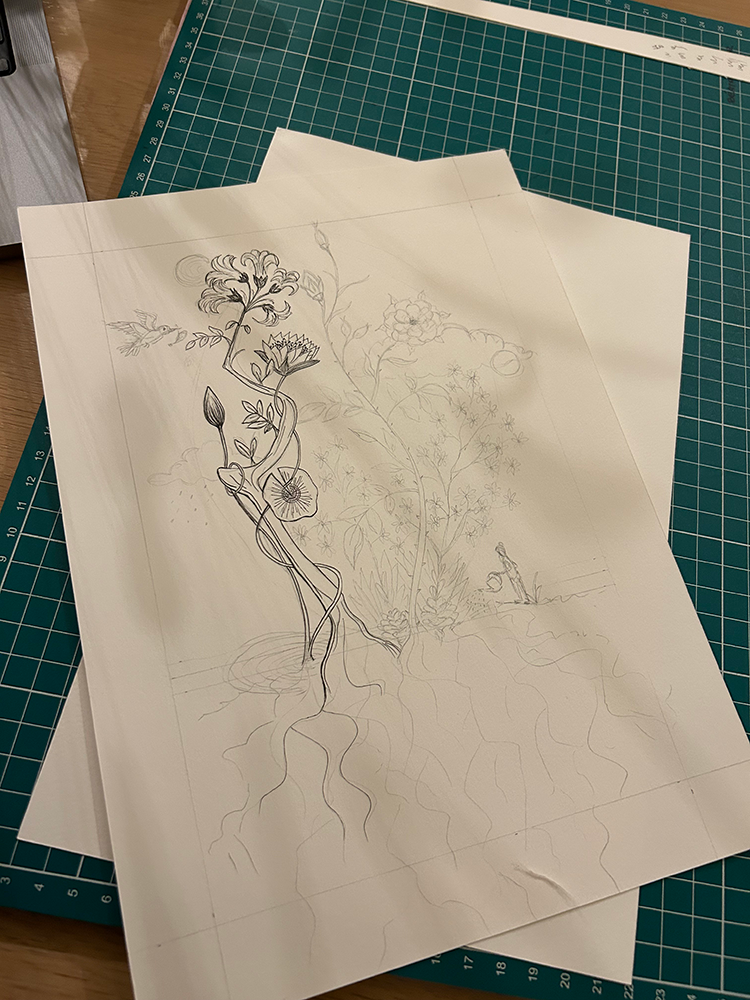
Language, identity, and losing your mother tongue
We explored something close to our hearts as multicultural people: Losing your language when you’ve not spoken it for a long time.
Through a Korean short film that transcends language and culture, we related with the complex emotions that arise when our own mother tongue slips away from us.
In the session, there were tears, laughter, reminiscing, and sharing of how we learned our languages, and equally how we have started to lose them.


“Loved that there were no introductions, love that there were no phones in the session…”
This had the magic.
Stories from guests 💬
One guest shared a word that came to mind for them: “saudade” – a Portuguese word that means something like “deep longing”.
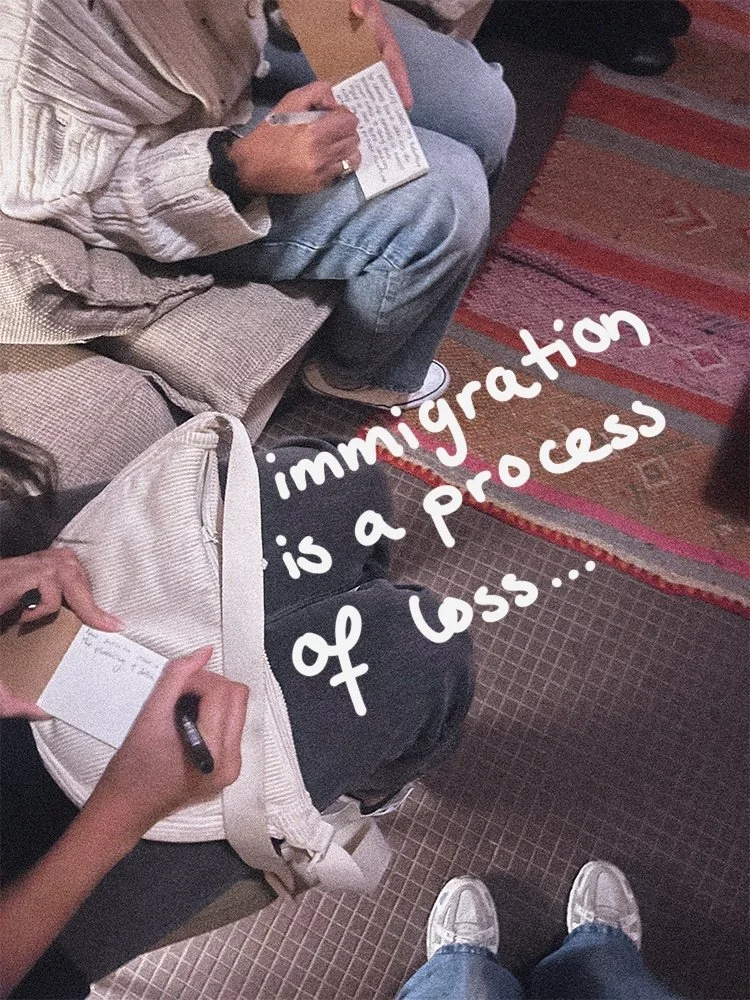
Another guest described immigration
as “a process of loss”;
losing connection
to your homeland,
to your people,
to your customs,
to your idioms that don’t translate,
to your language over time…
The conversation touched on colonial legacies that taught us to disconnect from our roots, and the intentional work needed to reconnect with indigenous languages and cultural heritage in an increasingly Anglicised world.
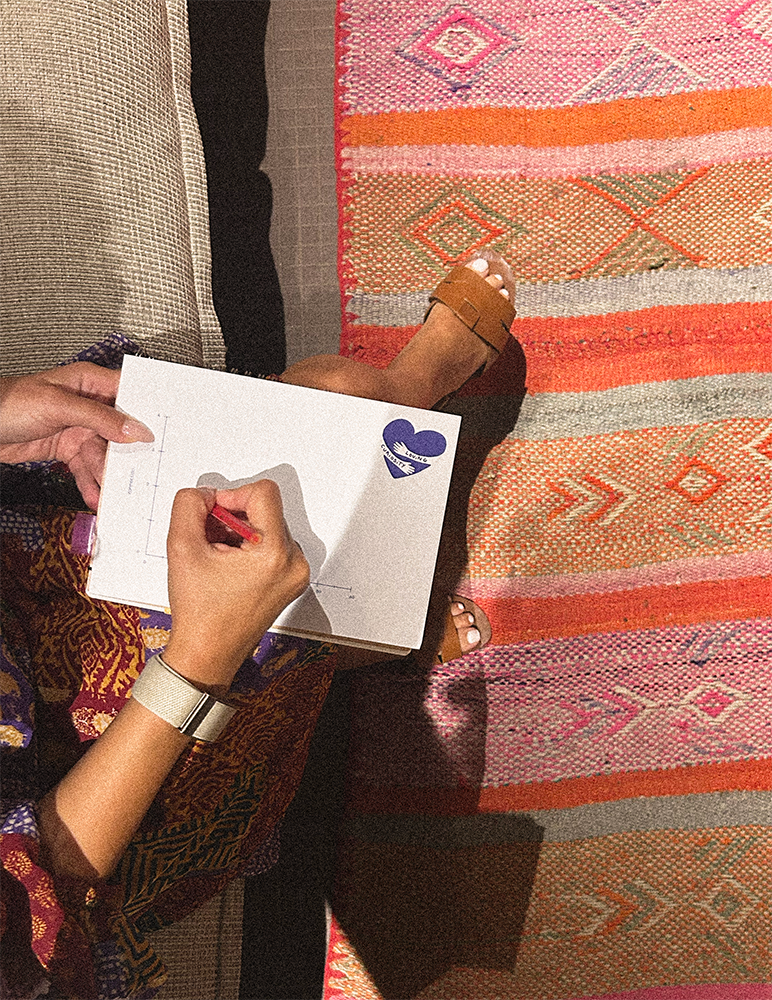

Photo-illustration by Joanne Imperio / The Atlantic. Sources: Bureau of Indian Affairs; Jamestown S’Klallam Tribe / Tribal Museum.
How much is lost when acquiring a new language?
A new country to one day, hopefully, call home?
How has your connection to your languages changed over time?
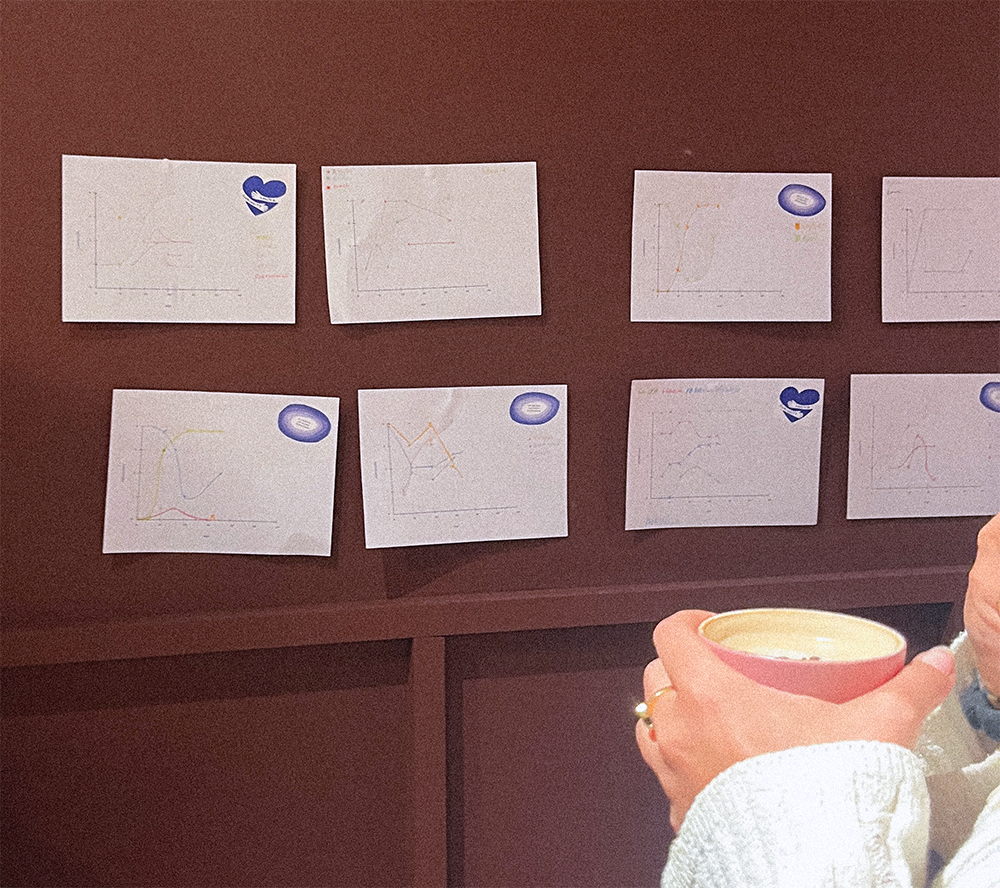
We had guests participate in an exercise that mapped their relationship to their languages overtime. It was very revealing.
One guest from the Pacific Islands explained his culture and history, and then said:
“We are on the other side of cultural genocide.”
This sent shivers down my spine.
Some of the thoughts we were left with… 💭
Culture is negotiable and evolving. We are a part of culture and we also shape it daily.
Language is ever-changing, so we can give ourselves permission to evolve with it.
You choose what you connect with about your language and culture – nobody else can tell you you’re doing it wrong.
The process of reconnecting to our cultural backgrounds can be thoughtful, intentional, and on our own terms.
Immigration is a process of loss. Even as we’re moving countries to seek better opportunities, we still leave a big part of our upbringing, culture, and languages behind.